Trusted Ottawa Heating & Air Conditioning Contractor
Specializing in Heat Pumps, Furnaces, & High Efficiency Heating & Cooling HVAC Solutions
Residential Furnaces, Heat Pumps, & Air Conditioner Services
We are a family business who continually provides high quality residential and commercial HVAC services with a strong focus on quality customer service and sustainability. We regularly supply, install, service, & repair heat pumps, ductless split systems, high efficiency furnaces, central air conditioners, and more to the greater Ottawa area.
OTTAWA HEATING AND COOLING CONTRACTOR
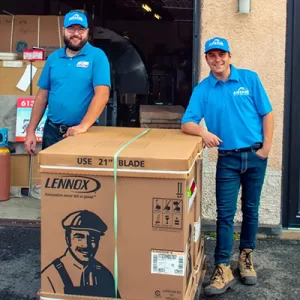
We offer supply and installation services including furnaces, heat pumps, air conditioners, boilers, and other HVAC products. Get started with your free estimate.
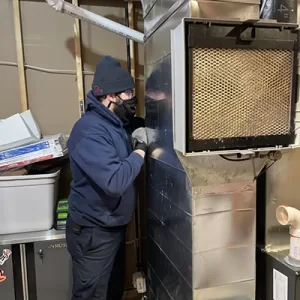
Our family protection packages include annual maintenance for your air quality, heating and cooling equipment including Ottawa furnaces and heat pumps.
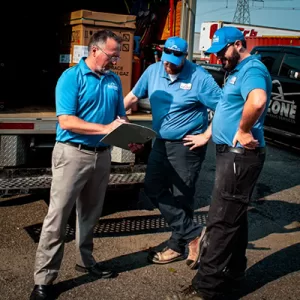
Our fleet of service vehicles is available 24/7 to ensure you stay cool in the summer and warm in the winter. We work on all brands of heating and cooling equipment.
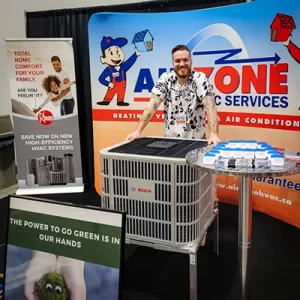
Our team of industry leading innovators provide custom designed HVAC systems that lower your carbon footprint while taking advantage of all available incentives.
HVAC Expertise
Our directly employed team regularly completes some of the most complex HVAC installations in Ottawa.
Customer Care
We are passionate about offering the highest level of customer service backed by our quality guarantee.
Fair Pricing
No smoke and mirrors… just great prices on quality equipment with transparent written quotes and no pressure tactics.
Green HVAC
Our team has dedicated a huge amount of resources to become a HVAC leader offering sustainable solutions.
About AirZone HVAC Services
Specializing In Residential Furnaces, Air Conditioners, Heat Pumps, and Ductless Split Sales & Service
It all started in a small house in Kanata in the West End of Ottawa. The City was in need of a HVAC company that put customers first.
Recognizing this opportunity Brent Lewis and Steve Teskey put together a simple plan: Offer the best customer service possible backed by quality sales and service… guaranteed!
Many years later AirZone HVAC Services has become a leader in the heating and cooling industry and is now a multi generational family business.
When you choose AirZone HVAC Services, you are choosing a HVAC dealer who provides heating and cooling products that deliver performance, durability, and longevity.
Recent News & Information
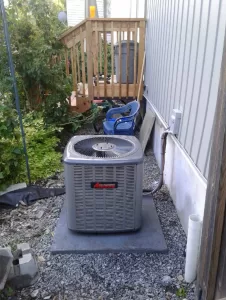
Why Now is the Best Time to Buy an Air Conditioner in Ottawa
As the seasons change and Ottawa begins to warm up, it’s time to think about staying cool and comfortable in your home. At AirZone HVAC
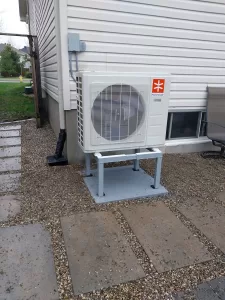
Important Updates to Canada’s Greener Homes Initiatives: What Ottawa Homeowners Need to Know In April 2024
AirZone HVAC Services is committed to keeping our valued customers in Ottawa informed about the latest developments in energy-efficient home upgrades. We want to ensure
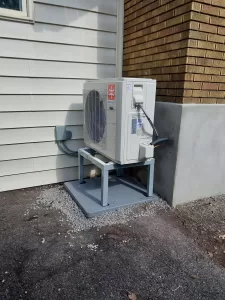
Breaking News: Canada’s Greener Homes Program Set for Update Amid New Housing Initiatives
Ottawa, Ontario – Exciting news for environmentally conscious homeowners and renters in Canada: the federal government is revitalizing its commitment to sustainable living with the
How the Coolsaver Air Conditioner Program Works
AirZone HVAC Services is proud to have partnered with Coolsaver and the IESO to offer FREE air conditioner tune ups to help Ottawa homeowners reduce
Free No Obligation HVAC Quotes
Honest and straightforward quotes offering the best HVAC value to our clients.
High Efficiency Furnaces
A furnace is the heart of your home HVAC system. AirZone specializes in high efficiency furnaces! This includes new installations and retrofits, furnace repairs, and annual furnace maintenance. Our approach is simple. Provide our clients with the most honest advice possible based on years of experience while installing trusted furnace brands such as Rheem, Lennox, and Amana.
We offer a huge lineup of high efficiency furnaces that include features such as a variable speed motor, top performing blowers, sound dampening cabinets, and communicating operation. We also have some really great cost effective models perfect for the budget minded consumer. Trust AirZone HVAC Services for all of your Ottawa heating needs!
Air Conditioner Companies
Did you know that AirZone HVAC Services is a family business? We are proud of the fact that our kids have grown up learning about air conditioner products and how to properly service customers. Two of our boys currently work for the company. We believe that a family business should treat their customers as part of the family. That is why we use the family first approach with our clients.
We are a big enough air conditioner company to offer great pricing along with bulk purchase savings but small enough to be able to treat our customers in this manner. You are not a number to us! And by the way… we would never sell inferior air conditioning systems to our family. Instead, we want the right cooling equipment installed in your home that you can trust for years to come.
Our long term goal is to pass the company on to the next generation and continue the tradition of air conditioning excellence that we started in 2006. One of the most important values for us as a company is that we are there for our clients long term.
Heating And Cooling Dealer Services
We provide quality HVAC services to the greater Ottawa area. Please see our most popular HVAC Services below:
- Sell, repair and install Residential and Commercial furnaces and air conditioners, all brands. Furnace companies in Ottawa often don’t have the bulk purchasing power that we have earned allowing us to offer high quality products at lower prices.
- Offer comprehensive Furnace and Air Conditioning Maintenance Packages. Furnace maintenance in Ottawa can be a tedious task for consumers. We make it simple with our Protection Packages allowing scheduled annual maintenance to be performed for a low monthly fee. This helps clients since they don’t have to remember to schedule their maintenance. It also comes with a number of different benefits including priority service.
- Provide Accurate Indoor Air Quality Tests, Reports, and Solutions
- Finance Heat Pumps, Boilers, HRVs, Ductless Splits, Hot Water Tanks, Furnaces, Air Conditioners, and Other HVAC Equipment
- Service Fireplaces, Ducts, Boilers, Heat Recovery Ventilators, Furnaces, Air Conditioners, Heat Pumps, and more.
- Offer 24 Hour Emergency Service, 365 Days a Year.
- Offer Evening and Weekend Appointments.
- Offer 100% Free Estimates
- Offer a No-Pressure Sales Approach
- Financial Plans Available – Great Rates On New Furnace in Ottawa starting at only $39.99 per month.
- Offer Senior Discounts
Furnace And Air Conditioner Financing
At AirZone HVAC Services, we understand that the purchase of a new furnace, air conditioner, or any other HVAC product can be a surprise investment.
We work closely with lenders to make sure that you are approved easily – Often without a credit check!!
If you would like to be approved for financing online simply visit our Financing Page. You will be able to click on the picture and apply for furnace or air conditioner financing online!
Delivering Quality Heating And Cooling Products
Our air conditioner products come from our three manufacturers; Rheem, Lennox, and Amana. We carry a range of different air conditioner products that offer many different benefits including noise reduction, precise temperature control, and durability. We also offer a full service approach when it comes to air conditioners. This includes annual maintenance alongside our protection packages. Our maintenance programs help to avoid repairs and ensure that you are not wasting money on your utility bills. Our cooling systems are designed to work with your current furnace and we also offer smart thermostats to improve your efficiency.
By partnering with four major air conditioner suppliers we are able to take advantage of current promotions and specials offered throughout the year. We pass these savings on to our customers to offer lower prices. This is just one of the reasons AirZone has become recognized as one of the leading air conditioner contractors. At AirZone, we don’t employ any sales tricks or poor tactics such as door to door sales. We ensure that our customers are satisfied as demonstrated by the many online reviews we have received from past and current clients.
Air Conditioning Contractors
Our air conditioner products come from our three manufacturers; Rheem, Lennox, and Amana. We carry a range of different air conditioner products that offer many different benefits including noise reduction, precise temperature control, and durability. We also offer a full service approach when it comes to air conditioners. This includes annual maintenance alongside our protection packages. Our maintenance programs help to avoid repairs and ensure that you are not wasting money on your utility bills. Our cooling systems are designed to work with your current furnace and we also offer smart thermostats to improve your efficiency.
By partnering with four major air conditioner suppliers we are able to take advantage of current promotions and specials offered throughout the year. We pass these savings on to our customers to offer lower prices. This is just one of the reasons AirZone has become recognized as one of the leading air conditioner contractors. At AirZone, we don’t employ any sales tricks or poor tactics such as door to door sales. We ensure that our customers are satisfied as demonstrated by the many online reviews we have received from past and current clients.
Furnace Companies
We offer a broad range of services to our customers including new furnace installation, furnace maintenance, and annual protection packages. A misconception about our furnace repair service is that we only service the brands we sell (Rheem, Amana, and Lennox). We keep our vehicles stocked with common repair parts for all brands of furnace which results in a faster repair service for our customers. Having said that, we have carefully chosen our brands since they consistently deliver high quality furnace products with some of the best reputations in the business. We combine this with our volume pricing model to ensure that you are getting a great deal on a new furnace.
One of the major differences offered by AirZone (over other furnace companies) is that we directly employ our furnace installation team. We do this to ensure that you are receiving the best installation possible. Our furnace installers go through in house training and onsite reviews to ensure that the quality we deliver is at it’s highest level. We are very proud of our workmanship and are committed to a high quality furnace installation while offering as much convenience as possible to the residents in the home.
Furnace Repair and Diagnostics in Ottawa
At AirZone HVAC Services, we understand the importance of a well-functioning furnace, especially during Ottawa’s chilly winters. Our expert team specializes in comprehensive furnace repair and diagnostics, ensuring your home stays warm and cozy all season long. Facing furnace issues can be daunting, but with our skilled technicians, you’re in safe hands.
Our approach to furnace repair begins with thorough diagnostics. We delve into the heart of the problem, using state-of-the-art tools to accurately assess your furnace’s condition. Whether it’s a minor glitch or a major repair, our team is equipped to handle it. We pride ourselves on transparent service, explaining each step of the repair process, so you’re fully informed.
Our commitment extends beyond just fixing immediate issues. We offer advice on maintaining your furnace’s efficiency and longevity, helping you save on energy costs and avoid future breakdowns. Trust AirZone HVAC Services for all your furnace repair and diagnostic needs in Ottawa – where quality meets reliability.
Central Air Conditioners
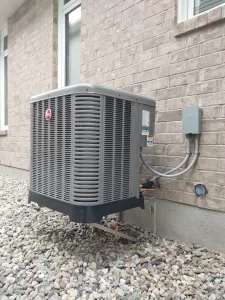
With hundreds of central air conditioner installations each year, AirZone stands out with expert technicians and installers of central air conditioners. We offer a high quality lineup of AC products with features such as low noise outdoor units, energy saving products that cool your home more effectively, and durable air conditioner parts that stand up to Ottawa’s harsh climate.
Our air conditioner lineup includes single stage, two stage, and variable speed units to meet any budget. Our installation volume allows us to offer bulk pricing on air conditioner units! Our leading air conditioner brands include Rheem, Lennox, and Amana. We offer new AC installations, air conditioner repair services, and annual maintenance.
Ottawa Air Conditioning
With multiple brands to choose from, AirZone is your go to source for new air conditioners in Ottawa. We supply and install high quality products from Rheem, Lennox, and Amana. We offer air conditioner repair services to Ottawa and the Valley alongside our central air conditioner installation program.
Heating And Cooling Companies
With so many choices for heating and cooling contractors it can be confusing for consumers to choose a qualified dealer. We encourage you to work with a dealer that is licensed and insured and provides proof of these during their visit to your home. It is also important to look at online reviews of HVAC dealers to make sure they have a solid reputation for quality services. Never allow a HVAC dealer to pressure you into a sale. There have been many instances where a heating and cooling system was installed when a new system was not needed. This is especially important for seniors who have been easy targets in the past for this type of business practice. At AirZone, we never want to pressure you into a sale. Instead, we want you to make an informed decision and research our company to see what others say about our heating and cooling company.
Before you choose a heating and cooling company for your furnace or air conditioner installation, we ask that you give us the opportunity to earn your business. We provide free no obligation quotations on new equipment and offer some of the fastest quotes in the area. We love providing a second opinion on a furnace or air conditioner system that was recommended by another dealer. Oftentimes, we are able to clarify misconceptions about the actual equipment that you are having installed. We regularly beat competitors pricing and offer unit alternatives through our three major manufacturers.
HVAC Contractor
The term HVAC stands for heating, ventilation, and air conditioning. A HVAC company is an organization that offers all of these services. As a leading HVAC company, we offer a robust lineup of services for your furnace, air conditioner and fireplace. Alongside these services we offer indoor air quality testing and analysis.
We also have a number of different specialty services that provide custom solutions for challenging installation. For example, we offer ductless split air conditioners for older homes, heat pumps to maximize efficiency, and HRV products to bring clean fresh air into your home to increase comfort. By adding these products to our lineup, we are able to offer different solutions over other HVAC companies. Our team is extremely experienced when it comes to installation challenges. We excel at HVAC system design and are very proud of our workmanship!
Furnace Maintenance
There are many different reasons a furnace can break down during the winter. Some of the most common include a dirty furnace filter, worn out furnace parts, or an old heater that has fulfilled it’s lifespan. A lack of furnace maintenance in Ottawa continues to be the number one cause of these breakdowns. Did you know that by maintaining your furnace every year you will increase it’s lifespan? It is extremely important to perform annual maintenance on your home heating system to avoid a costly emergency service call. As an additional benefit, furnaces that are properly maintained operate at a more efficient rate. This helps to reduce your monthly expenditures through energy savings and a lower utility bill.
When furnace maintenance is not completed the manufacturer’s parts warranty is often voided. This is another reason to schedule annual maintenance for your heater. Most furnace manufacturers require that this maintenance be completed by a qualified HVAC company that provides documented evidence of annual service. We want our customer’s to be protected and recommend furnace maintenance by a qualified dealer (such as AirZone).
New Furnace
Have you considered having a new furnace installed during the off season? There are a number of benefits to having a new heater installed during the spring and summer months. First, you can take advantage of off season savings. We regularly have clearance furnace products in the spring while we make room for our air conditioners. We usually pair these furnaces with air conditioner combos or sell them at a reduced price.
The second reason that you should consider a new furnace during non peak times is that you will not be without heat for any period. Although our installers are extremely efficient, the heat will have to be turned off in your home during installation. From spring to fall this is not a concern because of the outside temperate making the installation that more convenient.
Third, by combining a furnace and air conditioner installation, you will be setting up a new HVAC system in your home that offers the latest in efficiency and performance. The best part is that by having your new furnace installed during non-heating months, you will know that you are ready for winter and avoid the concern of a furnace breakdown. Given these benefits, we encourage you to speak with us about an off season furnace purchase.
Community Involvement In Ottawa
AirZone is more than just a heating and cooling company! We believe in giving back to the community through our military discounts, along with offering sponsorship for certain youth programs throughout the year. Our goal is to raise the standard for heating and cooling companies by delivering consistent expert HVAC products and services for both residential and commercial HVAC customers. All of this is backed by our quality you can trust guarantee! We started our business as a small company with our first installation being a new furnace. After 10 years in business, we are proud to be a leading HVAC contractor in Ottawa.
Expert Heat Pump Repair and Service
In Ottawa having a reliable heat pump is crucial for both heating and cooling your home. At AirZone HVAC Services, we specialize in top-notch heat pump repair and service, ensuring your system operates efficiently year-round. Our team of certified technicians is adept at handling a wide range of heat pump issues, offering you peace of mind with every service.
When it comes to heat pump repair, our professionals bring a wealth of knowledge and experience. We start with a detailed assessment to pinpoint the exact issue, whether it’s a malfunctioning compressor, a refrigerant leak, or electrical problems. Our commitment is to provide a fast, effective solution that restores your comfort and system efficiency as quickly as possible.
Regular service and maintenance are key to the longevity of your heat pump. We offer comprehensive service plans tailored to your specific needs, helping to prevent future breakdowns and maintain optimal performance. Trust us to keep your heat pump running smoothly through Ottawa’s changing seasons. Choose AirZone HVAC Services for reliable and expert heat pump repair and service.